Traceability
Every batch points back to the plot it came from.
Every batch carries its plot identifier from collection to finished sugar — where it came from, when, and who signed it off. Recalls stay narrow, audits find their trail, and your origin claim stands on the record.
From plot to batch
Four steps, and the number survives all of them.
01
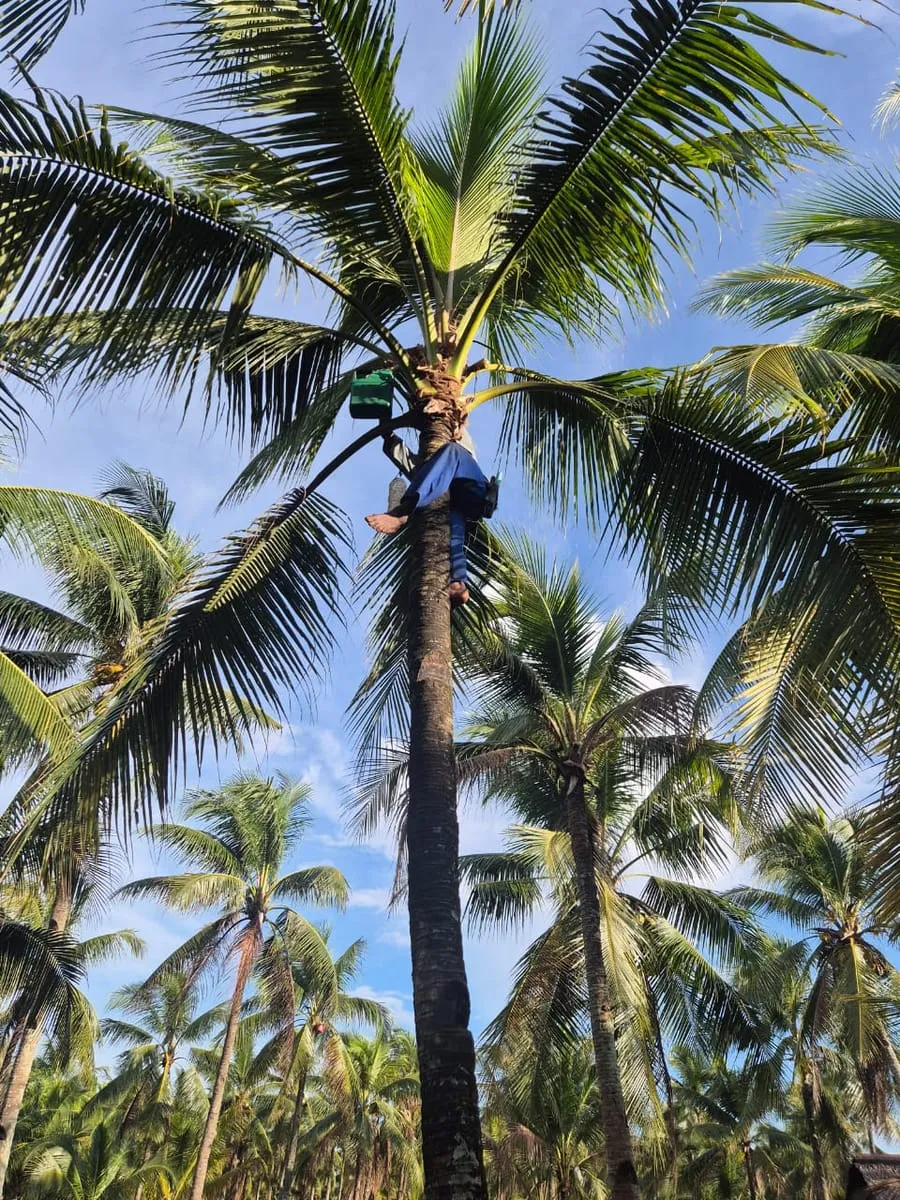
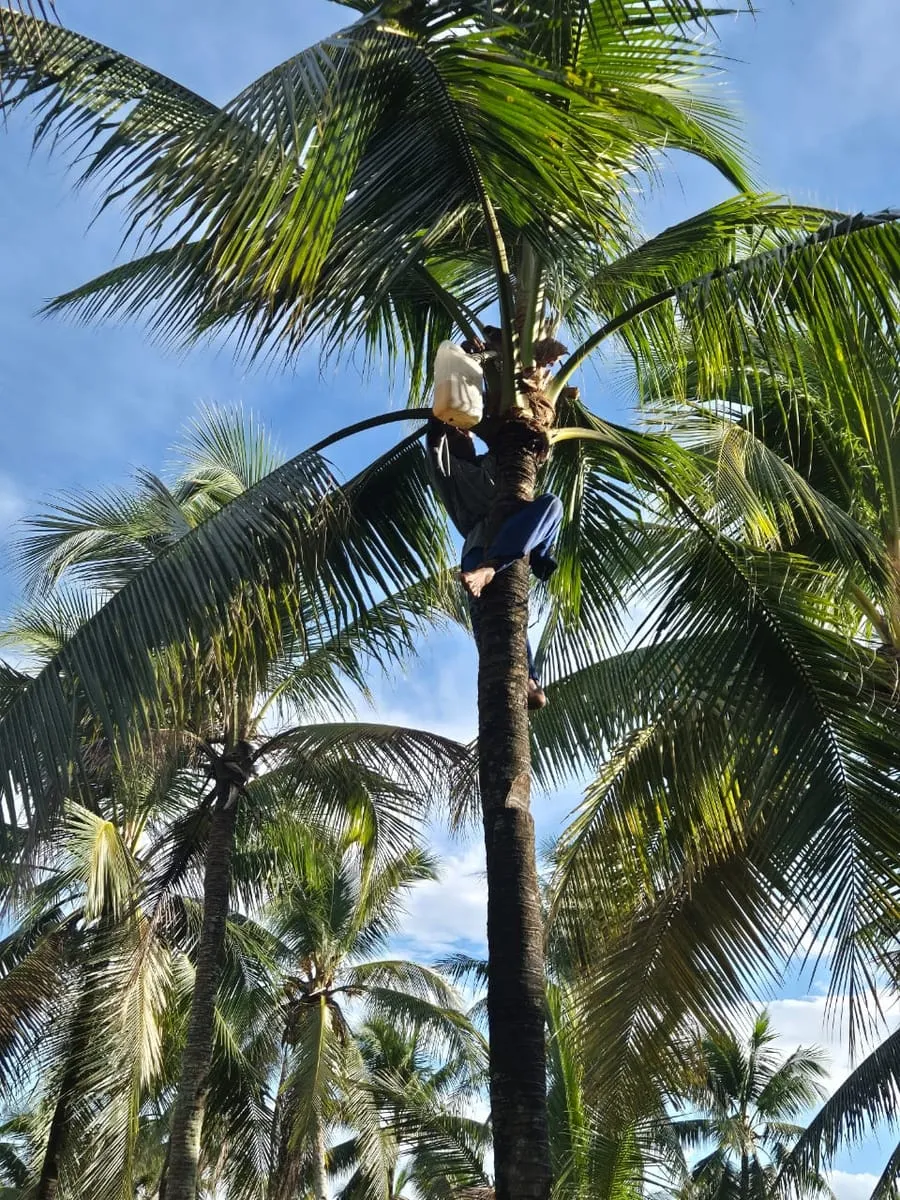
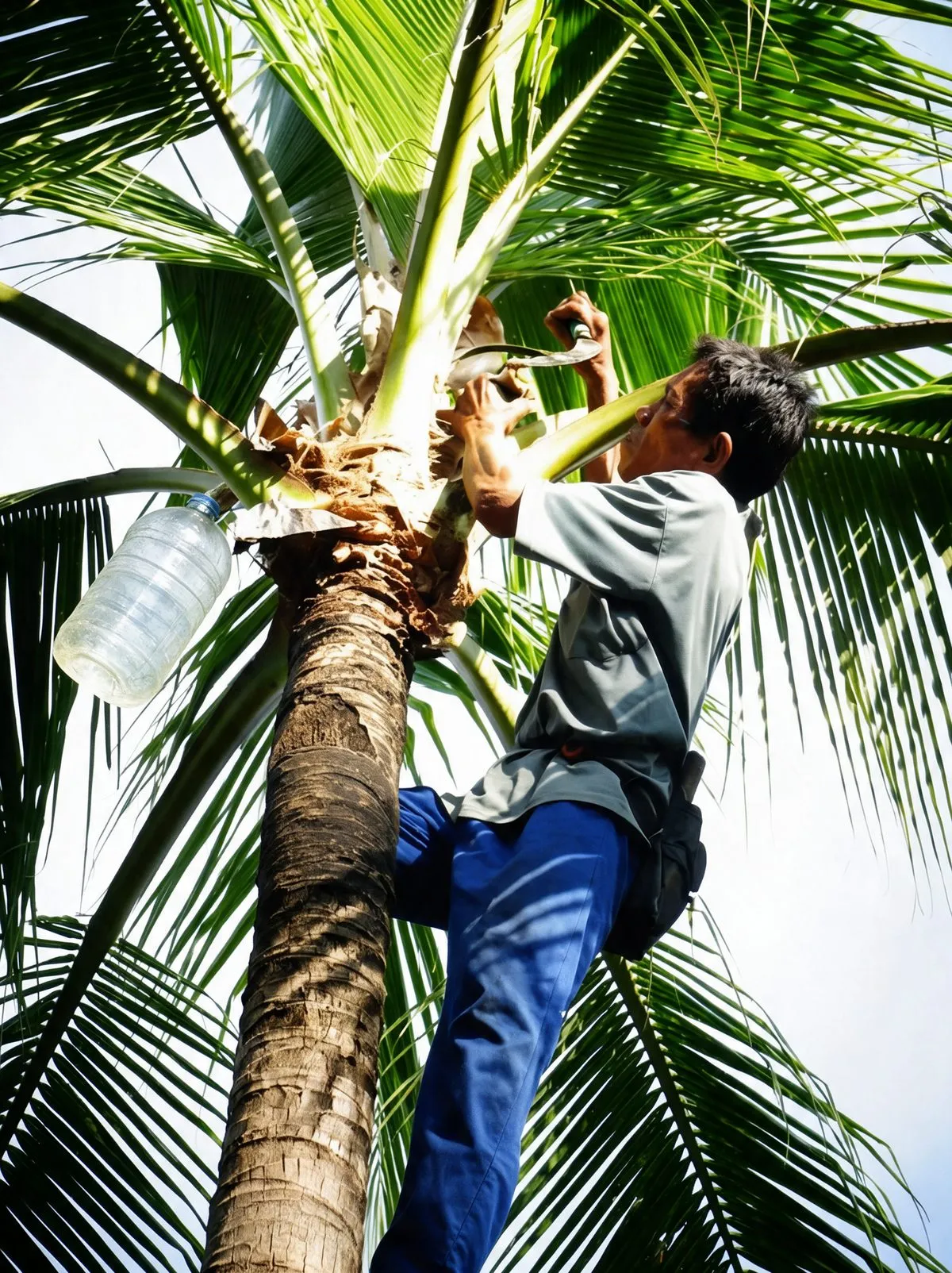
Tapping
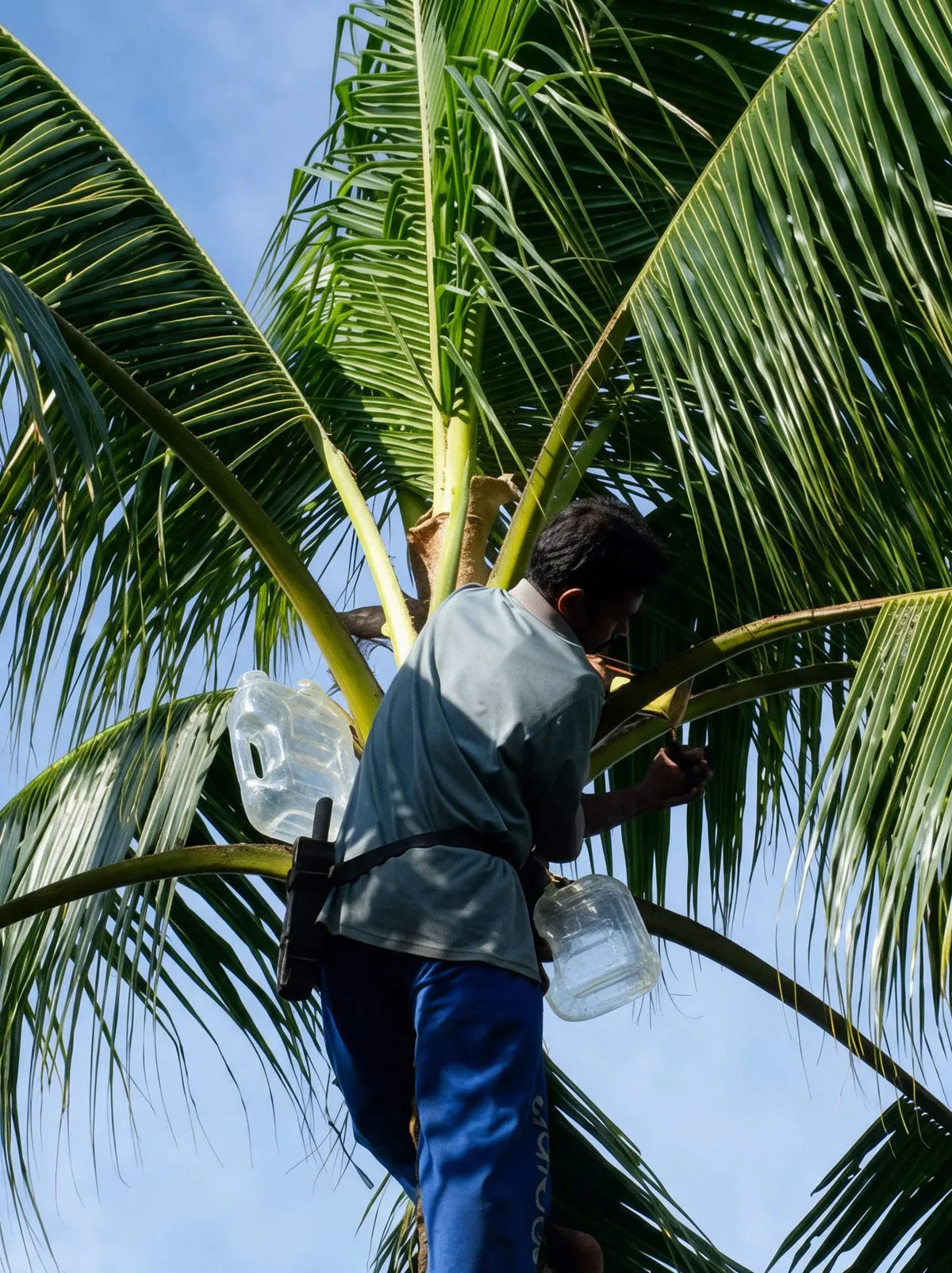
Sap is collected by the contracted smallholder and recorded against the plot it came from at the point of collection.
02
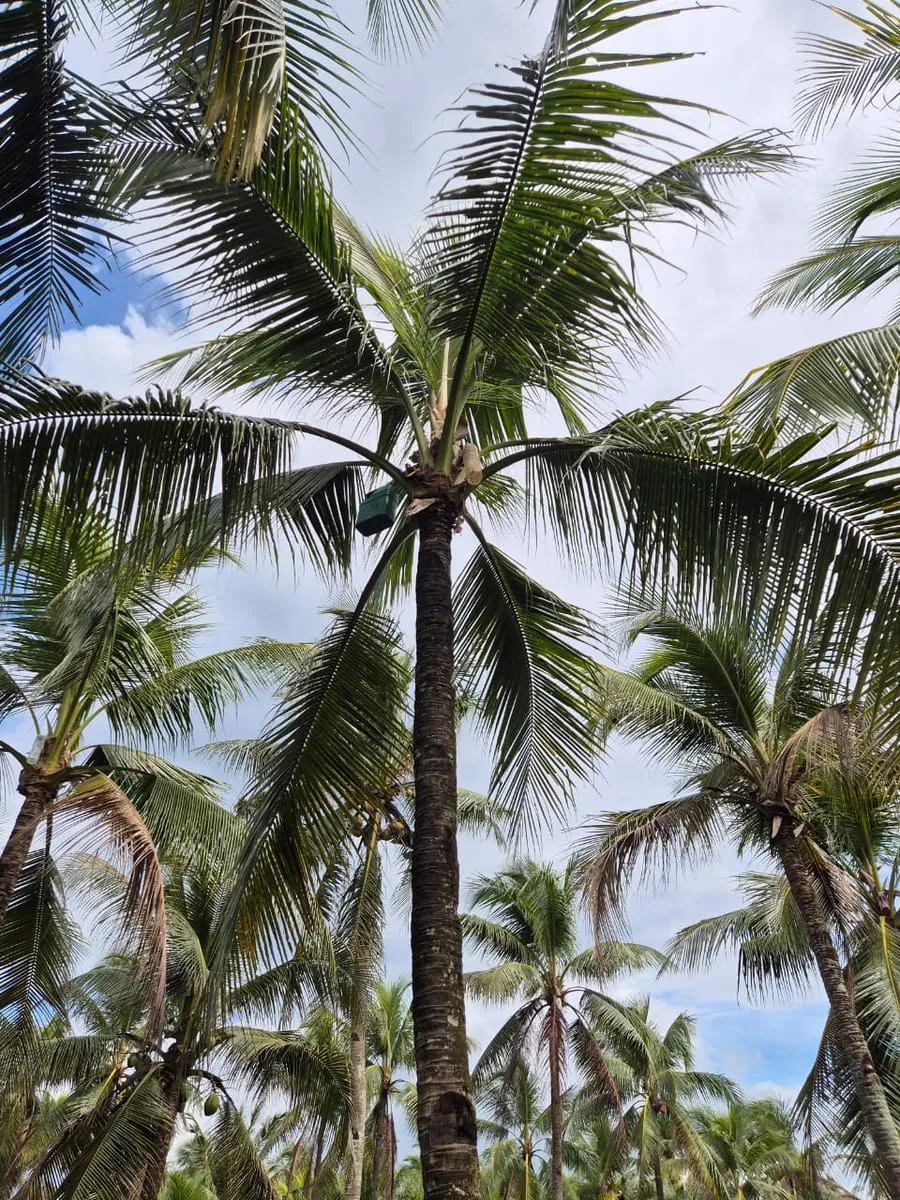
Collection
Lots move to the factory within a short window. The plot identifier travels with the lot rather than being reconstructed later.
03
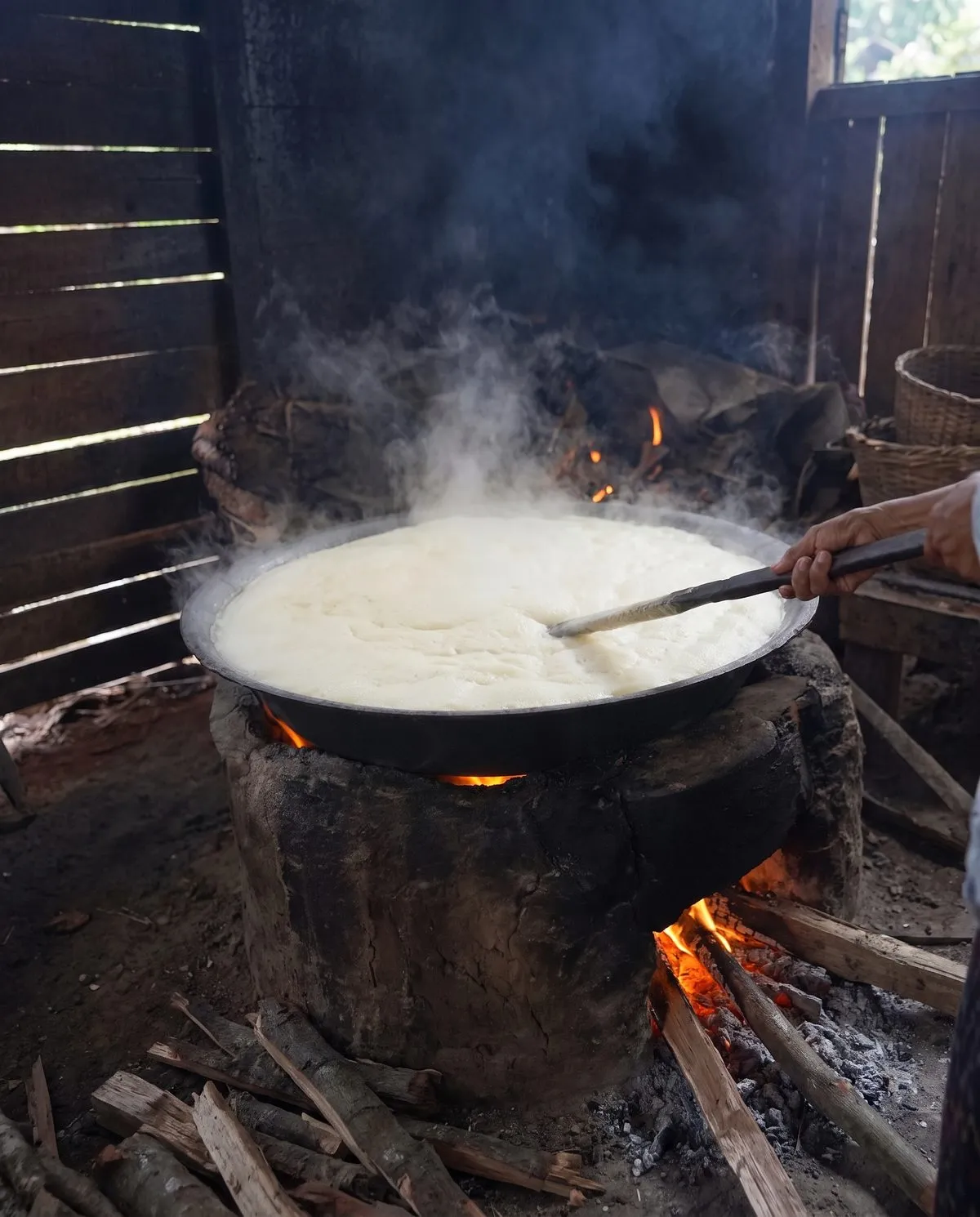
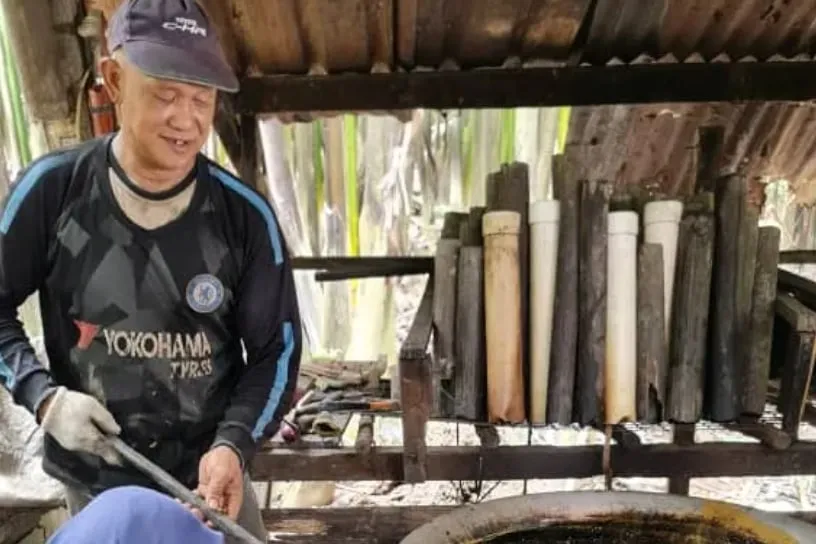
Processing
The identifier carries through processing into a batch number, so the finished sugar still points back to its source plots.
04
QA record
Each batch is signed off with its QA record.


Contract farming
The arrangement that makes the record possible.
The model
Smallholders are contracted rather than bought from on the open market, which is what makes a plot-level record possible in the first place. An anonymous spot lot cannot be traced backwards.
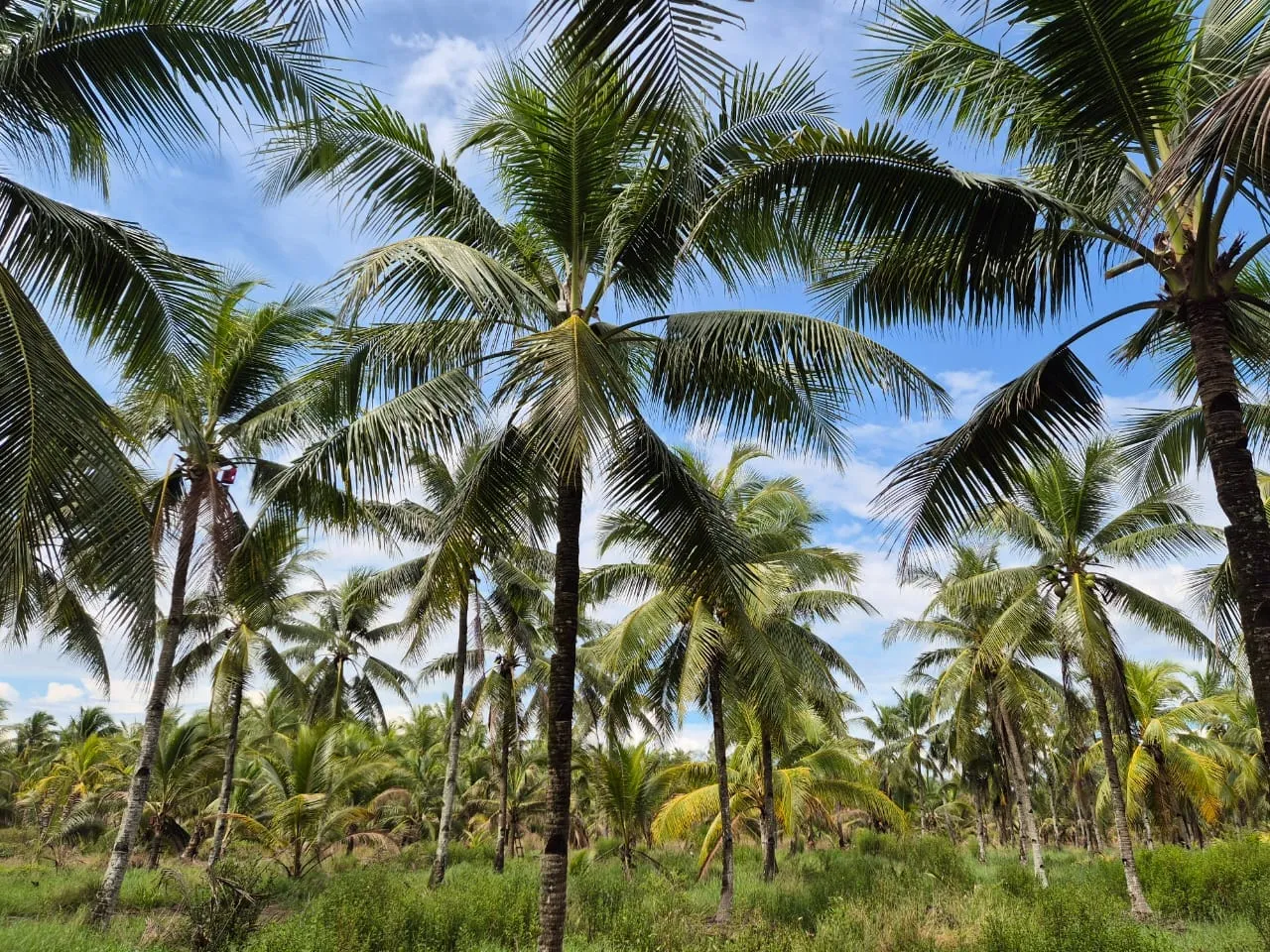
We go to the gula apong producing farms ourselves and offer a written agreement: steady, committed demand in exchange for their harvest, collected from them at a price agreed in advance.
Guaranteed buyback
We commit to buying the harvest before the season starts. That removes the risk that a good crop still ends in a loss, which is what lets a smallholder plan and reinvest. It also means our own volume is committed rather than bought on the spot market.
We collect from the farm rather than asking the farmer to deliver, so the cost and the risk of getting the sap to us sit with the party better able to carry them.
Working with farming communities
The buyback guarantee is the part that matters to a farmer.
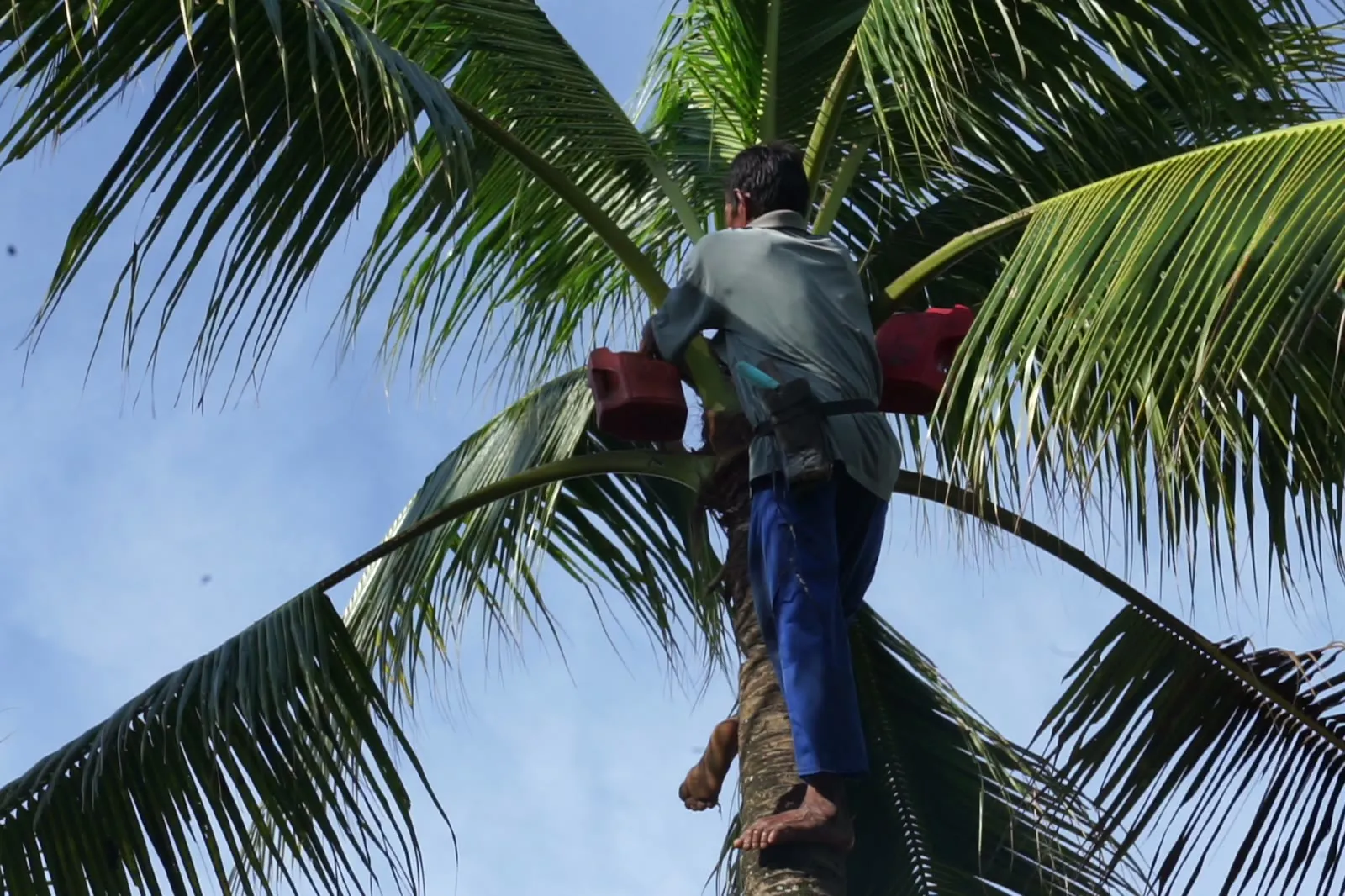
We work with five to ten groups of contract farmers in Asajaya, Kampung Tanjong Manis and Sadong Jaya, and commit to buying back their harvest before the season starts.
Sap has no shelf life. Without a committed buyer, a good harvest can still end in a loss, and that risk is what keeps a smallholder from planting more. A buyback contract removes it up front, which is what makes planning and reinvestment possible.
A steady buyer means steady work: the income supports the families doing the tapping and the collection, season after season, rather than whatever a spot buyer happens to offer that week.
It is also the reason the traceability works. A contracted plot can be recorded and followed through to a batch. An anonymous lot bought on the open market cannot be, at any price.
The commitment and the record are the same arrangement seen from two sides.


At the plot


Questions about how the record works are welcome.